A nursing legacy
Explore the rich history of nursing in Canada. Discover the unique challenges, influential figures, and profound impact this vital profession has had on shaping our healthcare system. Join Healthcare History of Canada in celebrating the legacy of Canadian nurses.
The canadian nursing story
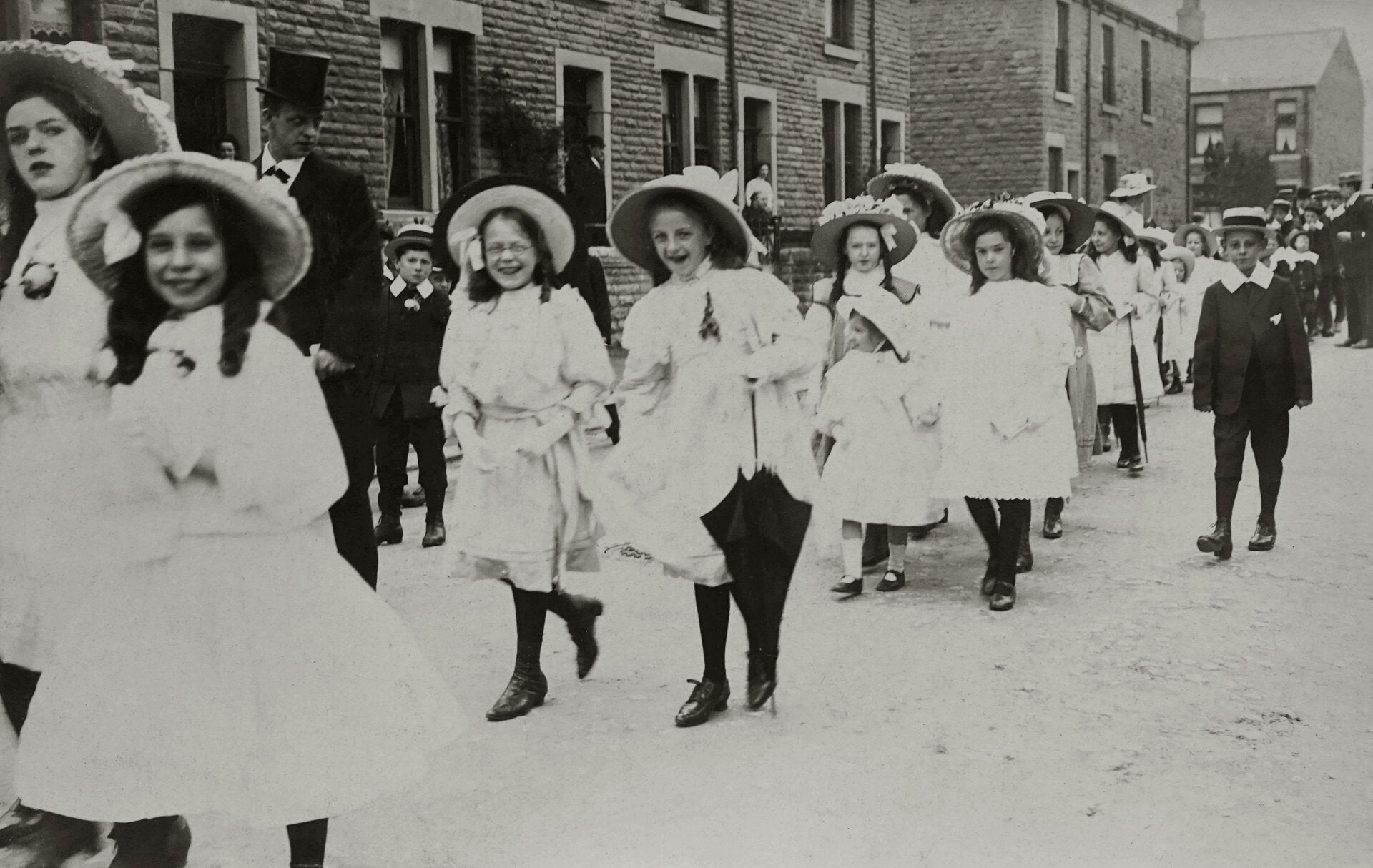
The history of nursing in Canada is unique due to several factors, including its close ties to religious orders, the influence of British nursing traditions, and the challenges of providing healthcare across a vast and geographically diverse country. The early development of nursing was heavily influenced by Roman Catholic nursing orders, such as the Religious Hospitallers of St. Joseph, who established some of the first hospitals in Canada. These orders brought with them established practices of care and a strong sense of duty. The Victorian Order of Nurses (VON), founded in 1897, played a crucial role in providing home healthcare, particularly in rural and underserved areas. Its creation was inspired by Queen Victoria's Diamond Jubilee and aimed to bring skilled nursing care to Canadians in their homes. The development of nursing in Canada has also been shaped by the unique healthcare needs of its Indigenous populations. Initiatives like the establishment of nursing stations in remote Indigenous communities aimed to address healthcare disparities and provide culturally sensitive care, though their implementation has been fraught with challenges related to colonialism and cultural sensitivity.
Influential figures
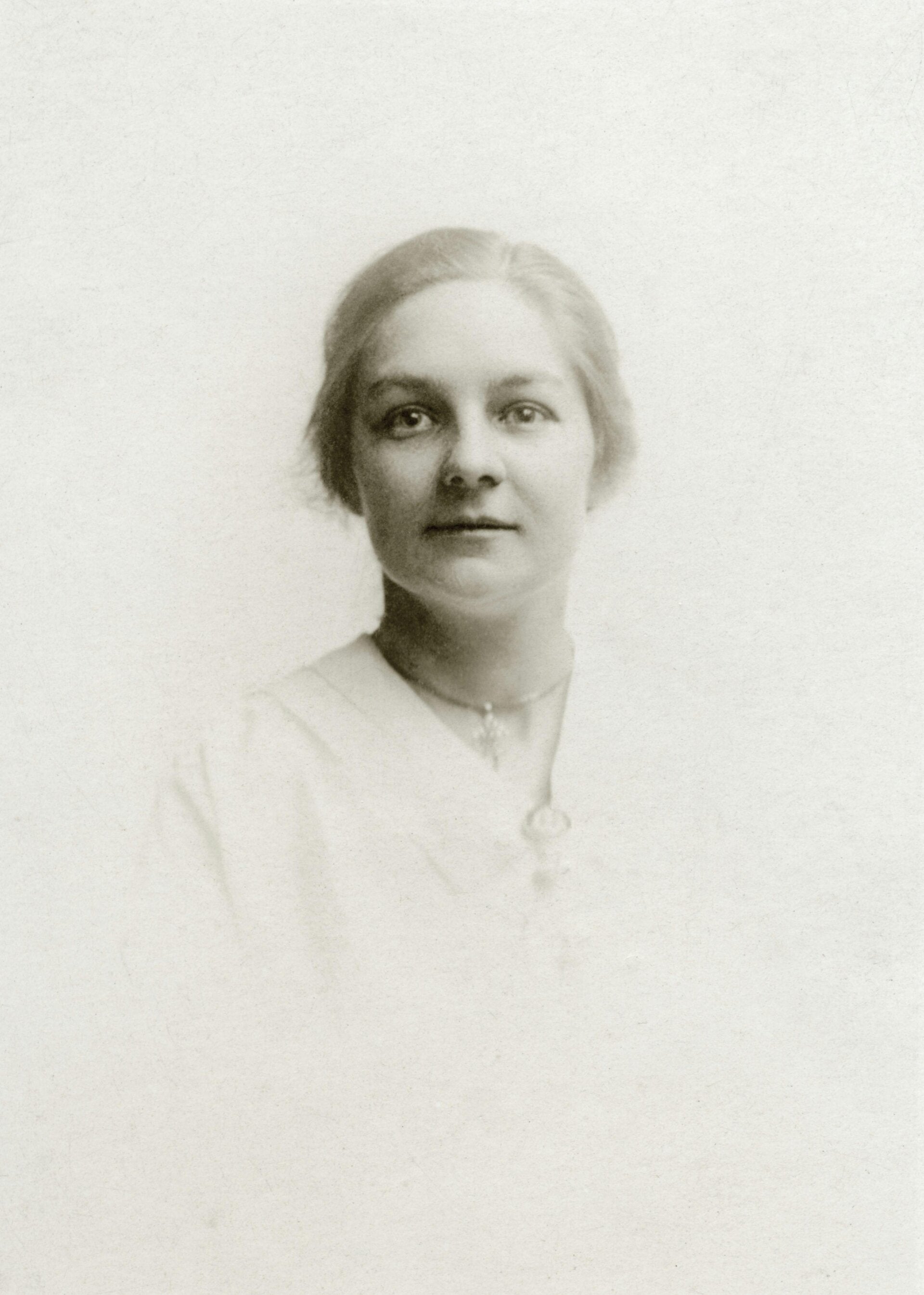
Canadian nursing history is marked by the contributions of many influential figures. [[Example name]] for example. was instrumental in advancing nursing education standards in the early 20th century. As a leader in the Canadian Nurses Association, she advocated for university-based nursing programs and professional registration. [[Example name]] was a Métis nurse who dedicated her career to improving healthcare access for Indigenous communities in northern Canada. She worked in remote nursing stations, providing essential medical services and advocating for culturally appropriate care. Her work highlighted the unique challenges faced by nurses working in isolated regions and the importance of cultural competence in healthcare. [[Example name]], a nurse and social reformer, who championed public health initiatives and community-based care. She played a key role in establishing public health nursing programs and addressing social determinants of health. These figures, among many others, have left a lasting legacy on the nursing profession and healthcare in Canada.

Overcoming adversity
Throughout Canada's history, nurses have faced numerous challenges, including limited resources, gender inequality, and the demands of providing care during epidemics and wars. In the early 20th century, nurses often worked in difficult conditions with minimal equipment and support. They faced long hours, low pay, and societal expectations that limited their professional autonomy. During events like the Spanish Flu pandemic and the World Wars, nurses were on the front lines, dealing with overwhelming numbers of patients and significant personal risk. They adapted by creating innovative solutions for patient care and demonstrating remarkable resilience. Nurses advocated for better working conditions, improved training, and professional recognition. They formed professional organizations like the Canadian Nurses Association to collectively address these issues and advance the profession. Their advocacy efforts led to significant improvements in nursing education, regulation, and scope of practice over time.

Shaping healthcare
The nursing profession has profoundly shaped Canada's healthcare system by expanding the scope of nursing practice to include advanced roles such as nurse practitioners who can diagnose illnesses, prescribe medications, and provide primary care services, particularly in underserved areas. Nurses have been at the forefront of promoting patient-centered care, emphasizing the importance of holistic care that addresses the physical, emotional, and social needs of patients. Nursing research has contributed to evidence-based practice, leading to improved patient outcomes and more efficient healthcare delivery. Nurse researchers have conducted studies on various aspects of healthcare, informing policy decisions and clinical guidelines. The ongoing contributions of nurses continue to shape healthcare policy, improve patient care, and address health inequities across the country. Their expertise and advocacy are essential for building a more accessible, equitable, and patient-centered healthcare system for all Canadians.